


You Are Here:Home > Information dynamics
> Industry trends
How to do a good job in safety production in the fluorine chemical industry
info:www.hongjiafu.net | Release time:2026-04-17
Fluorine chemical production has the characteristics of high temperature and high pressure, strong corrosion, toxicity and harm, flammability and explosiveness, and intense material reactions. The media are mostly fluorine-containing strong acids, corrosive gases, and hazardous chemicals. Safety production is the core bottom line of enterprise operation, which can be implemented from six aspects: institutional management, on-site control, equipment operation and maintenance, personnel management, emergency prevention and control, and environmental protection linkage.
Firstly, establish a sound safety management system and responsibility system. Strictly implement the safety production responsibility system for all employees, clarify the safety responsibilities of workshops, teams, and positions, and strengthen control responsibilities at all levels. Based on the characteristics of hazardous chemicals in the fluorine chemical industry, we will improve special systems for hazardous operation management, process operation procedures, hazardous material storage and transportation, and special working condition control. We will regularly carry out safety ledger recording, hidden danger investigation and registration, compliance self-examination and self correction, and eliminate illegal command and operation. Synchronize with the regulatory requirements of chemical industrial parks, comply with the norms of the hazardous chemical industry, and achieve standardized and normalized safety management.
Secondly, strict control of production process safety and chemical reaction risks. Fluorine chemical synthesis, fluorination, distillation, polymerization and other processes have strong reaction activity and are prone to overheating, overpressure, material leakage, and explosion risks. Continuous optimization of process parameters is required, locking in safe operating ranges, and unauthorized changes to production formulas and reaction conditions are strictly prohibited. Install interlock protection, emergency shutdown, and real-time pressure and temperature monitoring systems for high-risk reaction devices, standardize feeding sequence and rate, stabilize reaction rhythm, and avoid the risk of loss of control from the process source.
Thirdly, strengthen the anti-corrosion, explosion-proof, and daily operation and maintenance of equipment and facilities. Fluorine medium is highly corrosive and can easily cause aging and damage to pipelines, valves, storage tanks, and reaction vessels, leading to leakage accidents. It is necessary to select equipment made of fluorine resistant and anti-corrosion materials, and regularly conduct equipment wall thickness testing, anti-corrosion layer inspection, and seal replacement. Complete annual inspections and verifications of pressure vessels, special equipment, and pressure pipelines on time, and promptly replace old equipment. Strictly use explosion-proof electrical appliances and anti-static facilities in the explosion-proof area of the factory, and carry out pipeline grounding and bridging treatment to prevent static electricity accumulation from causing explosions.
Fourthly, standardize the storage, transportation, and on-site management of hazardous chemicals. Fluorinated raw materials, strong acids, toxic intermediates, and refrigerant products should be stored in separate areas and classified, away from sources of fire, heat, and oxidants, with strict control of storage temperature and humidity. Set up cofferdams, anti-seepage facilities, and emergency collection pools in the storage tank area to prevent material leakage and diffusion. The entire process of material transportation is operated in a sealed manner, reducing open operations, strengthening pipeline inspections, and promptly investigating issues of leakage and dripping. Reasonably divide the factory area into special operation areas such as hot work, confined spaces, high places, and lifting, and strictly implement the approval, testing, and monitoring system before operation.
Fifth, strengthen personnel safety training and occupational health protection. Regularly conduct specialized safety training on fluorine chemical industry, popularize emergency disposal of corrosive materials, toxic gas protection, practical firefighting, and basic knowledge of hazardous chemicals, and enhance employees' risk identification ability. Personnel on duty must hold certificates and wear specialized labor protection equipment such as acid and alkali resistant protective clothing, gas masks, goggles, and corrosion-resistant gloves. Establish an occupational health examination mechanism, focus on protecting positions that have been exposed to toxic and corrosive media for a long time, improve workshop ventilation and exhaust gas collection conditions, and reduce the risk of occupational diseases.
Sixth, improve the emergency protection system and conduct regular emergency drills. The factory area is equipped with toxic gas alarm devices, leak detection instruments, fire protection systems, neutralization and absorption devices, emergency flushing and eye washing facilities to ensure that they are available at any time. Develop special emergency plans for leaks, fires, poisoning, explosions, etc., and reserve emergency neutralizing agents, leak prevention tools, and protective equipment. Regularly organize practical emergency drills to enhance the team's ability to quickly respond, evacuate personnel, and control dangerous situations. Establish a 24-hour on duty mechanism to respond and handle emergencies in a timely manner.
Seventh, promote the construction of intelligent control and dual prevention mechanisms. Introduce automated control systems and online monitoring platforms to monitor workshop temperature, pressure, liquid level, and toxic gas concentration in real-time, achieving automatic warning of abnormal data. Establish a dual prevention mechanism of risk classification control and hidden danger investigation, regularly conduct safety risk assessments throughout the factory, focus on high-risk points, and regularly rectify them. Relying on digital means to reduce manual high-risk operations, and upgrading to intelligence to reduce human safety hazards.
Eighth, implement fire protection, environmental protection, and coordinated management and control. Based on the toxic and highly corrosive characteristics of fluorine chemical combustion products, we have customized an exclusive fire disposal plan and strictly prohibit blind use of water to extinguish fires involving special types of materials. Ensure the safety management of the three waste treatment processes, strictly follow safety regulations during the disposal of fluorine-containing waste liquid, exhaust gas, and waste residue, and avoid secondary leakage, poisoning, and corrosion accidents during the treatment process. Strengthen the linkage with the fire, emergency, and environmental protection departments in the park, establish a collaborative rescue mechanism, and build a solid defense line for safety production.
Firstly, establish a sound safety management system and responsibility system. Strictly implement the safety production responsibility system for all employees, clarify the safety responsibilities of workshops, teams, and positions, and strengthen control responsibilities at all levels. Based on the characteristics of hazardous chemicals in the fluorine chemical industry, we will improve special systems for hazardous operation management, process operation procedures, hazardous material storage and transportation, and special working condition control. We will regularly carry out safety ledger recording, hidden danger investigation and registration, compliance self-examination and self correction, and eliminate illegal command and operation. Synchronize with the regulatory requirements of chemical industrial parks, comply with the norms of the hazardous chemical industry, and achieve standardized and normalized safety management.
Secondly, strict control of production process safety and chemical reaction risks. Fluorine chemical synthesis, fluorination, distillation, polymerization and other processes have strong reaction activity and are prone to overheating, overpressure, material leakage, and explosion risks. Continuous optimization of process parameters is required, locking in safe operating ranges, and unauthorized changes to production formulas and reaction conditions are strictly prohibited. Install interlock protection, emergency shutdown, and real-time pressure and temperature monitoring systems for high-risk reaction devices, standardize feeding sequence and rate, stabilize reaction rhythm, and avoid the risk of loss of control from the process source.
Thirdly, strengthen the anti-corrosion, explosion-proof, and daily operation and maintenance of equipment and facilities. Fluorine medium is highly corrosive and can easily cause aging and damage to pipelines, valves, storage tanks, and reaction vessels, leading to leakage accidents. It is necessary to select equipment made of fluorine resistant and anti-corrosion materials, and regularly conduct equipment wall thickness testing, anti-corrosion layer inspection, and seal replacement. Complete annual inspections and verifications of pressure vessels, special equipment, and pressure pipelines on time, and promptly replace old equipment. Strictly use explosion-proof electrical appliances and anti-static facilities in the explosion-proof area of the factory, and carry out pipeline grounding and bridging treatment to prevent static electricity accumulation from causing explosions.
Fourthly, standardize the storage, transportation, and on-site management of hazardous chemicals. Fluorinated raw materials, strong acids, toxic intermediates, and refrigerant products should be stored in separate areas and classified, away from sources of fire, heat, and oxidants, with strict control of storage temperature and humidity. Set up cofferdams, anti-seepage facilities, and emergency collection pools in the storage tank area to prevent material leakage and diffusion. The entire process of material transportation is operated in a sealed manner, reducing open operations, strengthening pipeline inspections, and promptly investigating issues of leakage and dripping. Reasonably divide the factory area into special operation areas such as hot work, confined spaces, high places, and lifting, and strictly implement the approval, testing, and monitoring system before operation.
Fifth, strengthen personnel safety training and occupational health protection. Regularly conduct specialized safety training on fluorine chemical industry, popularize emergency disposal of corrosive materials, toxic gas protection, practical firefighting, and basic knowledge of hazardous chemicals, and enhance employees' risk identification ability. Personnel on duty must hold certificates and wear specialized labor protection equipment such as acid and alkali resistant protective clothing, gas masks, goggles, and corrosion-resistant gloves. Establish an occupational health examination mechanism, focus on protecting positions that have been exposed to toxic and corrosive media for a long time, improve workshop ventilation and exhaust gas collection conditions, and reduce the risk of occupational diseases.
Sixth, improve the emergency protection system and conduct regular emergency drills. The factory area is equipped with toxic gas alarm devices, leak detection instruments, fire protection systems, neutralization and absorption devices, emergency flushing and eye washing facilities to ensure that they are available at any time. Develop special emergency plans for leaks, fires, poisoning, explosions, etc., and reserve emergency neutralizing agents, leak prevention tools, and protective equipment. Regularly organize practical emergency drills to enhance the team's ability to quickly respond, evacuate personnel, and control dangerous situations. Establish a 24-hour on duty mechanism to respond and handle emergencies in a timely manner.
Seventh, promote the construction of intelligent control and dual prevention mechanisms. Introduce automated control systems and online monitoring platforms to monitor workshop temperature, pressure, liquid level, and toxic gas concentration in real-time, achieving automatic warning of abnormal data. Establish a dual prevention mechanism of risk classification control and hidden danger investigation, regularly conduct safety risk assessments throughout the factory, focus on high-risk points, and regularly rectify them. Relying on digital means to reduce manual high-risk operations, and upgrading to intelligence to reduce human safety hazards.
Eighth, implement fire protection, environmental protection, and coordinated management and control. Based on the toxic and highly corrosive characteristics of fluorine chemical combustion products, we have customized an exclusive fire disposal plan and strictly prohibit blind use of water to extinguish fires involving special types of materials. Ensure the safety management of the three waste treatment processes, strictly follow safety regulations during the disposal of fluorine-containing waste liquid, exhaust gas, and waste residue, and avoid secondary leakage, poisoning, and corrosion accidents during the treatment process. Strengthen the linkage with the fire, emergency, and environmental protection departments in the park, establish a collaborative rescue mechanism, and build a solid defense line for safety production.
Website Navigation
Contact Us
- Company Address: Fluorination Technology Park, Changshu City, Jiangsu Province
- Service Hotline: 0512-52818267
- Technical Consultation: 0512-52626090
- Contact phone number: 13601573215
- Company email: 13601573215@163.com

Copyright © 2023 Changshu Hongjia Fluorine Technology Co., Ltd All Rights Reserved www.hongjiafu.net 苏ICP备11048419号-2  苏公网安备32058102001807号 Technical Support:Lange
苏公网安备32058102001807号 Technical Support:Lange
+
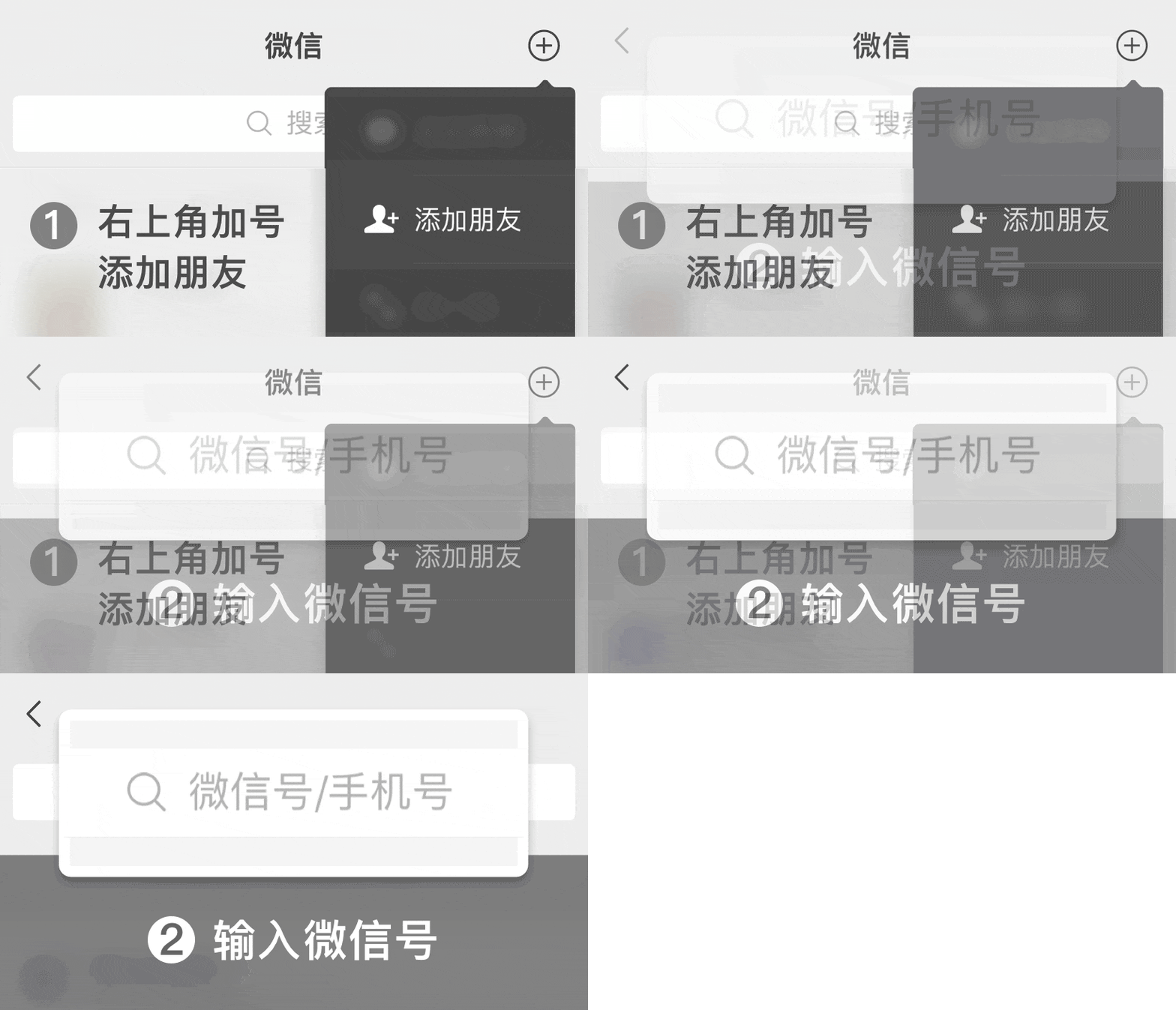
 wechat number:Zz5203520
wechat number:Zz5203520
 Home
Home
 WeChat
 Tell
Tell