


You Are Here:Home > Information dynamics
> Industry trends
- [2026-06-22]
Where is magnesium fluoride mainly used
Magnesium fluoride is divided into two categories: optical high-purity single crystal/coated particles and industrial powder grade. Its core advantages include wideband transparency, low refractive index, high temperature resistance, and chemical stability. Metallurgy and ceramics are the basic industrial consumption markets.
- [2026-06-16]
What are the advantages of sodium fluoroaluminate
Sodium fluoroaluminate (Na3-AlF ₆) is a flux that can be scaled up as a substitute for and adapted to electrolytic aluminum. It also has irreplaceable comprehensive performance advantages in industries such as abrasives, enamel, welding materials, and glass. It can be divided into four categories: basic physical and chemical advantages, electrolytic aluminum specific advantages, other industry app
- [2026-06-10]
What is the use of anhydrous potassium fluoride
1、 Organic fluorine chemical industry (the core scenario of anhydrous potassium fluoride, with much higher anhydrous activity than dihydrate) 1. Nucleophilic fluorinating agent (halogen exchange) As a mainstream fluorine substitution raw material, chlorine and bromine are replaced with fluorine to produce fluorinated aromatic hydrocarbons, fluorinated alkanes, and fluorinated heterocyclic interm
- [2026-06-01]
In which industries is ethyl nonafluorobutyl ether used
Ethyl nonafluorobutyl ether (commonly known as HFE-7200/Novec 7200) is an environmentally friendly hydrofluoroether solvent/fluorinating liquid, characterized by zero ODP, low GWP, non flammability, insulation, low surface tension, volatility, and low residue. Below, explain by industry where it is mainly used and what it does.
- [2026-05-26]
What are the characteristics of ammonium fluorozirconate
Ammonium fluorozirconate, with core characteristics of high water solubility, stable complexation, acid passivation, controllable thermal decomposition, acid stability and alkali sensitivity, low toxicity and corrosiveness, is a key zirconium salt for metal surface treatment, ceramics/glass, and metallurgy.
- [2026-05-19]
Briefly introduce ammonium fluorosilicate
Ammonium fluorosilicate (chemical formula: (NH ₄) ₂ SiF ₆, also known as ammonium hexafluorosilicate) is a white crystalline powder, toxic, and corrosive inorganic fluoride.
Website Navigation
Contact Us
- Company Address: Fluorination Technology Park, Changshu City, Jiangsu Province
- Service Hotline: 0512-52818267
- Technical Consultation: 0512-52626090
- Contact phone number: 13601573215
- Company email: 13601573215@163.com

Copyright © 2023 Changshu Hongjia Fluorine Technology Co., Ltd All Rights Reserved www.hongjiafu.net 苏ICP备11048419号-2  苏公网安备32058102001807号 Technical Support:Lange
+
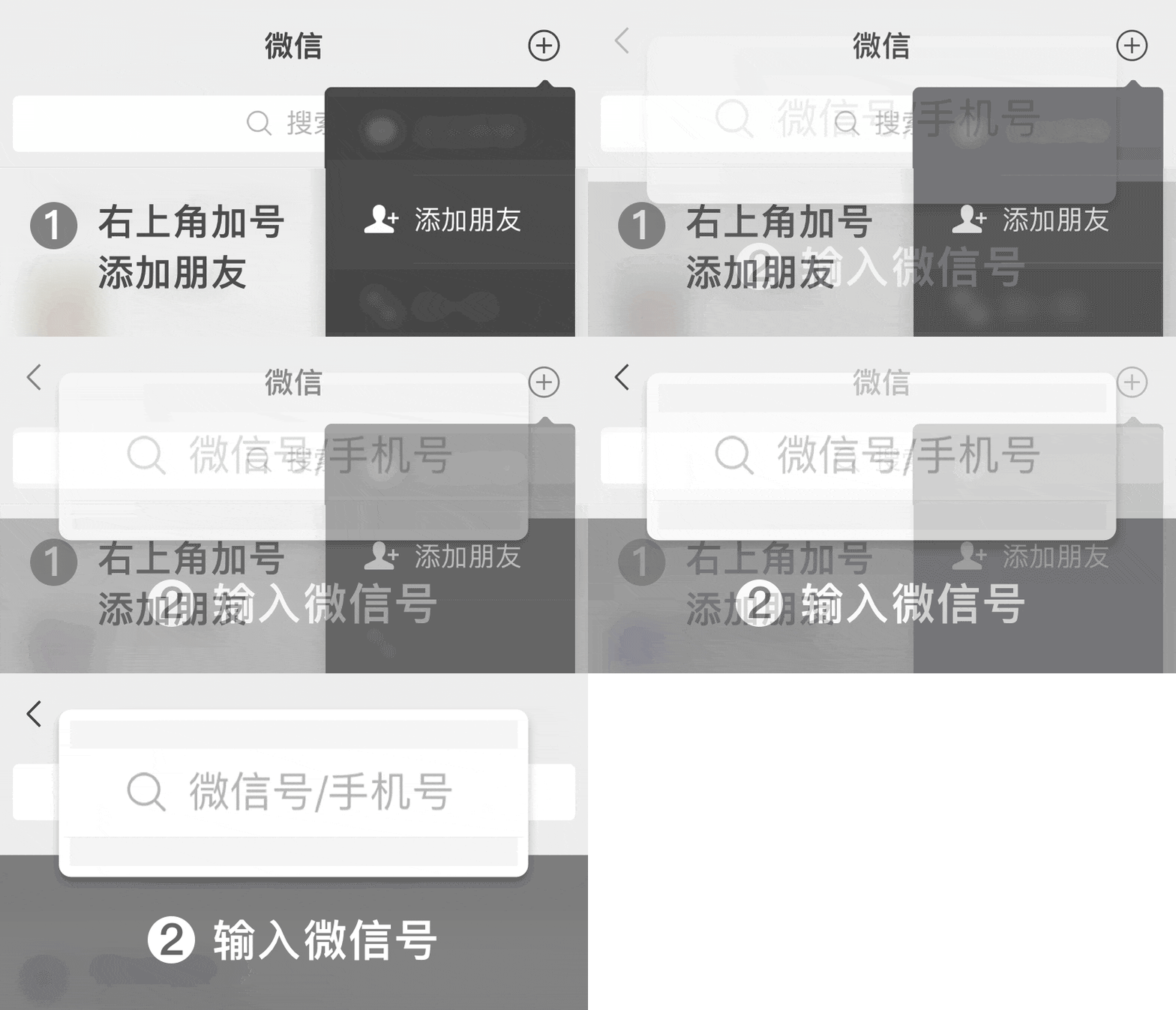
 wechat number:Zz5203520
wechat number:Zz5203520
 Home
 WeChat
 Tell