


You Are Here:Home> Product display
>Fluororubber/Fluorosilicone oil

Liquid Silicone Rubber
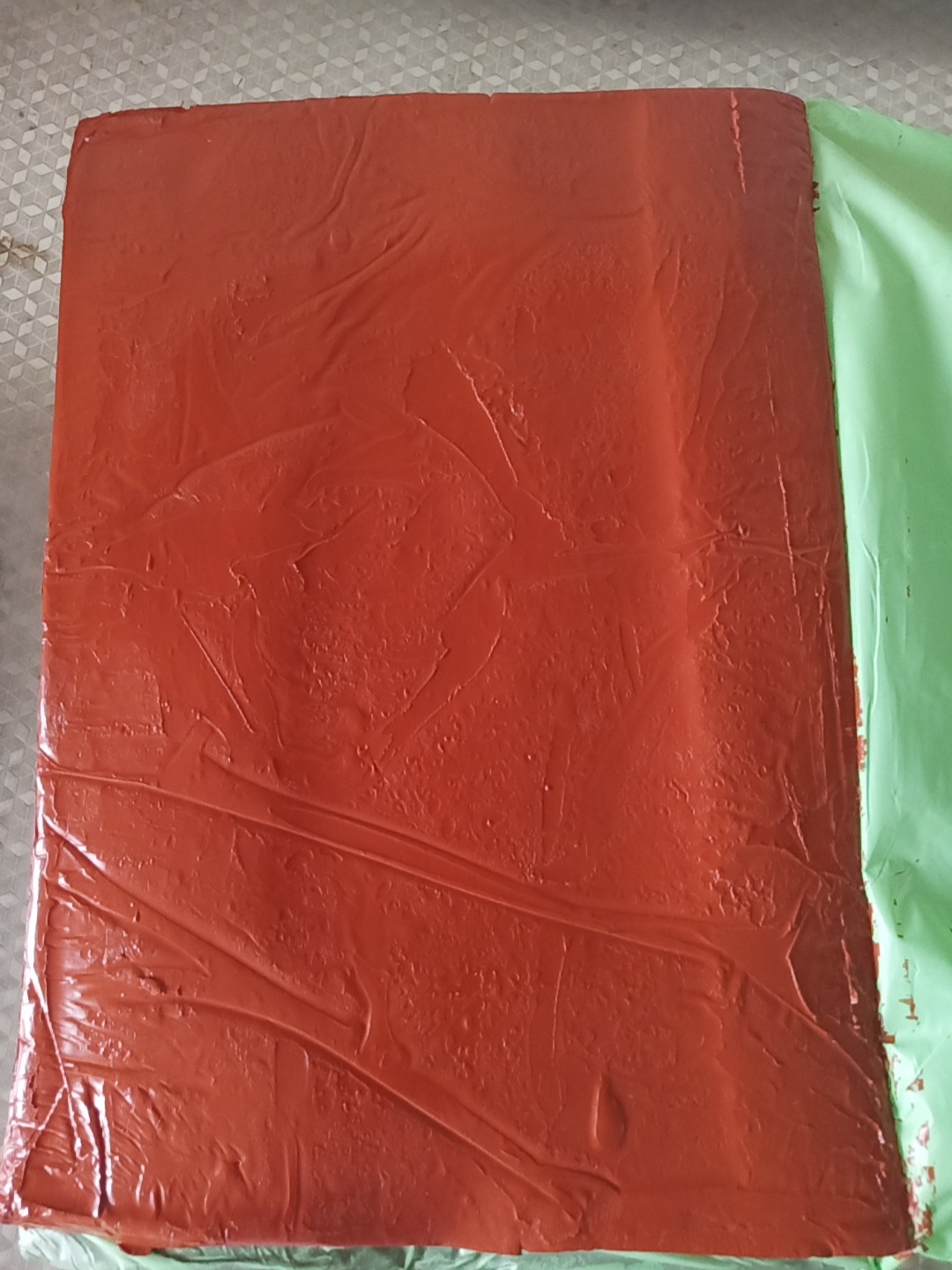
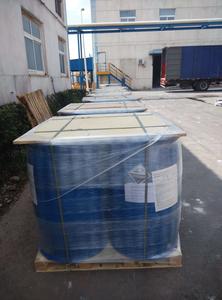
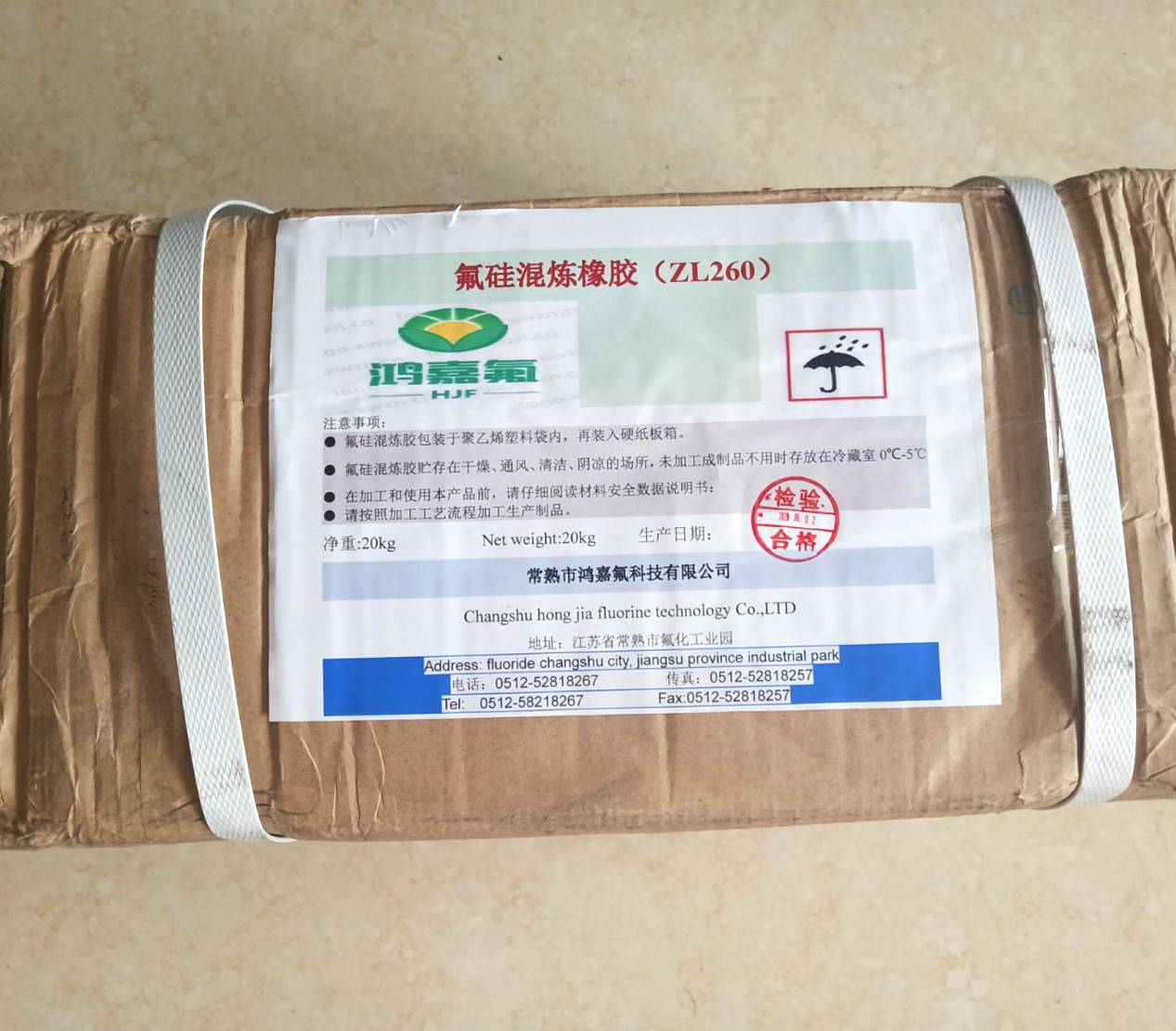
The combination of liquid fluorosilicone rubber A and B also belongs to the thermosetting rubber category. Their viscosity and cross-linking properties make them materials with special processing advantages. Compared with solid fluorosilicone rubber (HTVA), it is characterized by low viscosity. Liquid fluorosilicone rubber is a two-component mixture with pumpability, and we can provide ready to us


Prev: Trifluoroaceticacid
Next: Lithium Fluoride
Website Navigation
Contact Us
- Company Address: Fluorination Technology Park, Changshu City, Jiangsu Province
- Service Hotline: 0512-52818267
- Technical Consultation: 0512-52626090
- Contact phone number: 13601573215
- Company email: 13601573215@163.com

Copyright © 2023 Changshu Hongjia Fluorine Technology Co., Ltd All Rights Reserved www.hongjiafu.net 苏ICP备11048419号-2  苏公网安备32058102001807号 Technical Support:Lange
苏公网安备32058102001807号 Technical Support:Lange
+
 wechat number:Zz5203520
wechat number:Zz5203520
 Home
Home
 WeChat
 Tell
Tell